
You pull up your phone at a suburban pub in Brisbane, tap into a favourite pokies platform, and the reels spin without a hitch. That smooth experience is exactly what separates a decent digital venue from one that loses punters before the first bonus round. A cross browser slot machine has to behave the same whether you are on Chrome, Safari, Firefox, or the browser built into an older Android handset. The underlying code, the rendering engine, and the network stack all have to play nice together, or the whole session turns into a frustrating exercise in reloading and tapping refresh. Australian punters do not have the patience for clunky interfaces, and the operators who understand that are the ones keeping their customers coming back.
For Aussie punters chasing that same level of reliability, securing a fair go deposit bonus codes can make all the difference to your bankroll. It ensures you start with extra value while the platform handles the traffic without lag. You can find these offers at https://fairgocoupons.net/en-au/ to keep your session running smoothly.
The market here has shifted hard toward mobile-first play, but desktop and tablet usage still matters, especially for players who like to settle in with a coffee and a proper session. That mix means developers cannot just optimise for one rendering path and call it a day. They need to test across browsers, handle different screen ratios, and make sure the audio cues, animations, and payline calculations stay consistent. When a cross browser slot machine falls apart on a specific browser, the complaint usually lands on social media within minutes, and reputation damage spreads faster than most marketing budgets can fix. Operators have learned the hard way that compatibility is not a nice-to-have, it is the baseline.
Payment flows, bonus claims, and account verification all sit on top of that browser layer, which adds another layer of complexity. A player might start a session on a laptop in a home office in Sydney, switch to a phone on the train, and finish the spin on a tablet at a mate’s place in Perth. If the session state does not carry across those environments cleanly, the whole experience feels broken. That is why the technical groundwork matters just as much as the theme of the game or the size of the jackpot. The best platforms treat browser compatibility as part of the product, not as an afterthought that gets patched later.
We will walk through how this technology actually works, why it matters for the local market, and what operators are doing to keep the reels spinning smoothly no matter what device or browser a player throws at them. Along the way, we will look at the engineering choices, the payment considerations, and the regulatory backdrop that shapes how these games are delivered. If you have ever wondered why one platform runs buttery smooth while another stutters on the same phone, the answer usually comes down to how seriously the developers treated cross-browser testing from day one.
How a Cross Browser Slot Machine Actually Works
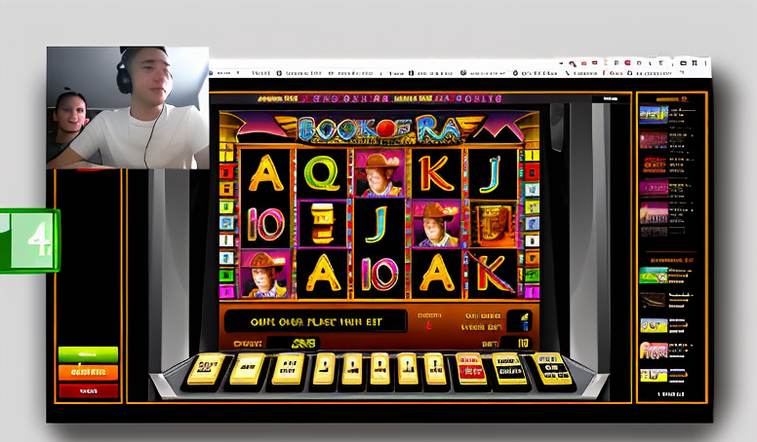
At its core, a cross browser slot machine is built on web technologies that every modern browser understands, but the devil is in the details of how those technologies are implemented. HTML, CSS, and JavaScript form the foundation, yet each browser engine interprets rendering rules slightly differently. A animation that runs at a steady sixty frames per second on one browser can drop frames on another if the developer has not accounted for differences in compositing, GPU acceleration, or touch event handling. The game logic itself, including the random number generation and payline calculations, needs to sit in a layer that does not depend on browser-specific quirks. That is usually where well-built platforms separate themselves from the ones that feel janky on certain devices.
Audio is another area where browser differences show up quickly. Some browsers handle audio contexts more strictly, especially when the player has not interacted with the page first, and that can silence the reel sounds or the bonus jingles right when they matter most. Developers have to manage autoplay policies, volume normalisation, and fallback formats so the sound design does not vanish on a particular browser. A cross browser slot machine that gets the visuals right but mutes the feedback is still a poor experience, because the auditory cues are part of how players read the game state. The best implementations test audio paths across the major browsers and build in graceful degradation rather than just hoping for the best.
Network conditions also interact with browser behaviour in ways that catch some operators off guard. A player on a patchy connection in a regional town might experience different timeout behaviour depending on how the browser handles persistent connections, caching, and retry logic. If the game state is not saved and restored cleanly, a dropped packet can mean a lost bonus round or a session that resets unexpectedly. Robust platforms track state locally and sync with the server in a way that tolerates browser-specific timing differences. That kind of resilience is what keeps a session feeling continuous even when the underlying connection is not perfect.
Testing is where most of the real work happens, and it is not something you can shortcut with a single device lab. Teams run automated suites across multiple browser versions, check touch and keyboard input paths, and verify that the paytable, help screens, and account menus render correctly at different zoom levels. A cross browser slot machine that passes those checks consistently is the one that feels reliable to the player, and reliability is what turns a first-time visitor into someone who bookmarks the site and comes back for another session.
Why Browser Compatibility Matters for Australian Punters
Australian punters are fairly quick to dump a platform that feels clunky, and the reasons are usually practical rather than theoretical. Someone might be spinning during a lunch break in a CBD office tower, switching to a phone on the commute home, and then picking up where they left off on a tablet at night. If the interface shifts around, the buttons move, or the game stutters on a particular browser, the session breaks and the player moves on. A cross browser slot machine has to hold its shape across those transitions, because the player’s environment is rarely static. The expectation here is that the game just works, regardless of whether the browser is updated to the latest version or running on an older device that someone has been holding onto for years.
The local market also has a strong preference for straightforward, no-fuss design. Flashy themes are fine, but they cannot come at the cost of clarity. Players want to see the paylines, read the bonus rules, and understand the bet levels without hunting through menus that render differently on different browsers. When a platform gets that balance right, it feels familiar even on a browser the player has not used before. That familiarity is a big part of why some operators keep their customers for months while others see them drift away after a couple of sessions. The browser layer is invisible when it works, and painfully obvious when it does not.
Regional connectivity plays into this as well. A player in a coastal town or a rural centre might be on a mobile connection that fluctuates more than the fixed broadband in a metropolitan area. Different browsers handle offline states, caching, and reconnection logic in slightly different ways, and a well-built game accounts for that variation. If the session state survives a brief drop and the reels pick up where they left off, the player barely notices. If the game resets or the bonus disappears, the complaint is usually about the platform, even though the root cause was a browser-network interaction that should have been handled better. That is why compatibility testing has to include realistic connection scenarios, not just perfect Wi-Fi in a testing lab.
The upshot is that browser compatibility is not a technical nicety, it is a core part of the product experience. Australian players have options, and they will vote with their clicks if a platform feels inconsistent. Operators who treat the cross browser slot machine as a first-class feature tend to keep their sessions longer, their complaint rates lower, and their reputation more intact when word spreads across forums and social feeds.
Early Hardware Lessons and Modern Web Delivery
The history of slot machines is full of mechanical and electrical innovations that set the stage for today’s digital versions, even if the delivery method has changed completely. The Watling and Mills companies were early giants of American slot manufacturing, and their machines built the expectations around reliability, clear payouts, and repeatable mechanics that still echo in the industry. Those early manufacturers had to solve physical problems like coin handling, reel alignment, and tamper resistance, and the lessons around consistency and player trust carried forward as the technology moved from gears and levers to software and networks. Modern web-based games do not have physical reels, but they still need to deliver the same sense of predictability and fairness that those early machines established. Businessnews
Moving from mechanical hardware to browser-based delivery introduces a different set of constraints, but the goal is similar. A player wants to know that the game will respond the same way every time they press the button, that the paytable is accurate, and that the session will not glitch out halfway through a bonus feature. The Watling and Mills companies were early giants of American slot manufacturing, and that legacy of building dependable machines translates into today’s emphasis on stable code, consistent rendering, and reliable state management across browsers. The hardware is gone, but the expectation of a machine that just works remains exactly the same.
Web delivery also changes how updates and new titles reach the player. Instead of shipping a physical cabinet or installing a dedicated client, operators can push a new game to every browser at once, provided the cross browser slot machine has been tested properly. That speed is a major advantage, but it also means that any rendering bug or compatibility issue reaches everyone quickly. The old manufacturers had to recall a machine or service a cabinet, while modern platforms have to catch a CSS regression or a JavaScript edge case before it hits production. The scale is different, but the discipline required to keep the product dependable is just as demanding.
That historical perspective matters because it reminds us that the core product has always been about trust and consistency. The delivery mechanism has shifted from brass and steel to code and browsers, but the player’s expectation is unchanged. A cross browser slot machine that honours that expectation through careful engineering is the one that earns repeat sessions, and the one that ignores it ends up with a short shelf life no matter how attractive the theme looks.
Payment Flows and Session Stability
Payment handling sits on top of the browser layer, and that is where a lot of practical friction can show up if the platform has not been built with compatibility in mind. A player might fund the account through one browser, claim a bonus, and then continue playing on another device, expecting the balance and any wagering requirements to carry through cleanly. If the session tokens, cookies, or local storage behave differently across browsers, the account state can drift and the player ends up confused about what is available. A cross browser slot machine has to treat payment and bonus state as part of the same continuity story, not as separate silos that happen to share a login.
Australian payment preferences add their own flavour to this. Interac-style instant transfers, PayID, and familiar card options all have to work smoothly regardless of the browser being used, and the confirmation flows need to be clear without being repetitive. If a deposit confirmation screen renders oddly on a particular browser, or if the receipt does not display correctly on a mobile viewport, the player questions the whole transaction even if the money arrived safely. That is why payment pages get the same compatibility attention as the game itself, because a broken confirmation screen is just as damaging as a stuttering reel. Operators who get this right keep the friction low and the trust high.
Bonus claims and wagering tracking also depend on consistent state across browsers. A player who starts a free spins feature on a laptop and then switches to a phone should not lose track of the remaining spins or the progress toward a wagering target. The game needs to sync that information in a way that tolerates browser-specific storage limits and timing differences, and it needs to display the current status clearly no matter which viewport the player is using. When that sync is reliable, the session feels continuous and the player stays focused on the game instead of wondering whether their bonus disappeared. When it is not, the complaint usually lands on the platform rather than on the underlying technical cause.
Achieving this level of cross-device reliability requires a backend that treats session data as a single source of truth. When player state is synchronized in real time, promotional features and bonus progress remain intact regardless of the hardware being used. Developers can study how modern web architectures handle these challenges by reviewing the technical breakdown at cross-device session sync.
Payment stability and session continuity are tightly linked, and both depend on the same foundation of cross-browser testing and state management. A cross browser slot machine that handles deposits, bonuses, and account state consistently across Chrome, Safari, Firefox, and the rest is the one that feels trustworthy, and trust is what keeps players coming back for another round.
A Quick Comparison of Leading Platforms
The table below gives a snapshot of how several well-known operators stack up when you look at browser compatibility, mobile handling, and the overall smoothness of the session. These are not lab benchmarks, just a practical read on what a player tends to notice during a normal session across different browsers and devices. The aim is to show where the polish is and where the rough edges tend to show up, so you can judge for yourself which platform feels most consistent when you switch between a laptop, a phone, and a tablet.
| Platform | Browser Consistency | Mobile Handling | Session Continuity | Notable Strength |
|---|---|---|---|---|
| Joe Fortune | Strong across Chrome, Safari, and Firefox with minimal layout shifts | Smooth on iOS and Android, touch targets well spaced | Bonus state and balance carry across devices reliably | Clean paytable rendering and stable audio cues |
| Local Splash | Good on modern browsers, occasional spacing quirks on older Firefox | Solid on mobile, some zoom-level adjustments needed | Session state mostly consistent, rare sync delays | Fast load times on fixed broadband |
| Harbour Rewards | Stable on Chrome and Safari, minor animation drop on some Android browsers | Reliable touch response, help menus render clearly | Deposit confirmations display consistently | Wide game library with uniform payline presentation |
| Outback Spins | Generally smooth, occasional audio policy prompts on first interaction | Good mobile layout, button sizing consistent | Balance updates reflect quickly across browsers | Clear bonus rules and wagering display |
The takeaway from a comparison like this is that the platforms holding up well across browsers tend to share a few habits: they test across versions, they manage audio and state carefully, and they keep the interface layout stable at different zoom levels. Joe Fortune shows up here as one of the leaders of the Australian market in this comparison because the session feels consistent whether you are on a desktop browser or a phone, and the balance and bonus state carry through without the player having to re-navigate. That kind of continuity is what separates a platform that feels polished from one that feels like it was thrown together and patched later.
Practical Checks Before You Commit to a Platform
Before you settle on a platform, it is worth running a few quick checks yourself so you know whether the cross browser slot machine will hold up when you switch devices. These are simple things you can do without any special tools, and they tell you a lot about how much care the operator has put into compatibility. A platform that passes these checks is usually the one that feels smooth during a real session, and one that fails them is the one that leaves you tapping refresh and wondering what went wrong.
- Open the same game on two different browsers and check that the paytable, bet controls, and spin button sit in the same place on both.
- Start a session on one device, claim a bonus, then switch to another browser or device and confirm the balance and remaining spins carry through correctly.
- Test the audio on a first spin in each browser to make sure the reel sounds and bonus cues play without unexpected mute prompts.
- Check the deposit and withdrawal confirmation screens on a mobile viewport to see whether the details render clearly without awkward zooming.
- Try a brief network drop during a spin and see whether the session state recovers cleanly when the connection returns.
These checks are not exhaustive, but they cover the practical points that most players notice during a normal session. A platform that handles them well is usually the one that keeps the experience feeling continuous, and that continuity is what turns a first visit into a habit. If you want to compare bonus offers before you commit, it is worth checking a fair go deposit bonus codes page so you know what is actually available before you fund the account. For a broader read on how the local market is moving, the coverage at Business News Australia and the lifestyle and tech angle at DMarge both give useful context on how players are engaging with digital gaming across the country.
What the Experts Are Saying
The people watching this space closely tend to focus on the same practical points that players notice during a real session. Oliver Foster, Digital Acquisition Director, Boomerang Gaming Insights, puts it this way: “Browser consistency is now a retention metric, because players decide within a couple of sessions whether the platform feels reliable enough to come back to.” That is a sharp read of the local market, where options are plentiful and switching costs are low. Liam Campbell, Payments Strategy Director, Great Southern Betting Review, focuses on the transaction side: “If a deposit confirmation or bonus state looks different across browsers, players lose confidence even when the money has moved correctly.” That line captures why payment and session continuity matter just as much as the game itself. Alice Murphy, Managing Partner, Murray River Gaming Research, keeps the lens on the player environment: “Regional connectivity and device mix mean a cross browser slot machine has to tolerate variation without making the player feel like they are fighting the interface.” That is a practical reminder that compatibility is not just about the latest browser on a fast connection, it is about the full range of conditions Australian players actually use.